 |
| By | September 15, 2026 |
Many venues require $1 million per occurrence and $2 million aggregate for event liability insurance. However, special event liability insurance requirements vary by venue and event. Check your venue contract for the required limits, COI, Additional Insured status, endorsements, and liquor liability coverage before purchasing a policy. Core Solution: The right event liability insurance starts with the venue contract. Confirm the required limits, COI, Additional Insured status, endorsements, liquor liability, and submission deadline before purchasing coverage. Why Do Venues Require Event Liability Insurance? Hosting an event can create risks for a venue. An attendee can get injured, event equipment can damage the property, or a third person can make a claim after an incident. Recent market research from Business Research Insights highlights that public liability and event cancellation make up the largest share of single-event policy demands, driven by rising venue compliance mandates and crowd-related risks. Event liability insurance helps address certain claims involving third-party bodily injury or property damage arising from a covered event. From the venue’s perspective, requiring organizers to carry insurance provides a way to manage some of the risks associated with allowing an outside party to use the property. These requirements are usually included in the…
Many venues require $1 million per occurrence and $2 million aggregate for event liability insurance. However, special event liability insurance requirements vary by venue and event.
Check your venue contract for the required limits, COI, Additional Insured status, endorsements, and liquor liability coverage before purchasing a policy.
Core Solution:
The right event liability insurance starts with the venue contract. Confirm the required limits, COI, Additional Insured status, endorsements, liquor liability, and submission deadline before purchasing coverage.
Why Do Venues Require Event Liability Insurance?
Hosting an event can create risks for a venue. An attendee can get injured, event equipment can damage the property, or a third person can make a claim after an incident.
Recent market research from Business Research Insights highlights that public liability and event cancellation make up the largest share of single-event policy demands, driven by rising venue compliance mandates and crowd-related risks.
Event liability insurance helps address certain claims involving third-party bodily injury or property damage arising from a covered event. From the venue’s perspective, requiring organizers to carry insurance provides a way to manage some of the risks associated with allowing an outside party to use the property.
These requirements are usually included in the venue rental agreement. By signing the agreement, the event organizer may be agreeing to provide specific insurance limits and documentation before the venue will allow the event to proceed.
The important point is that the venue is not necessarily asking only whether insurance exists. It may require specific coverage limits, endorsements, and documentation.
How Much Event Liability Insurance Do Most Venues Require?
A commonly requested limit for event liability insurance is $1 million per occurrence and $2 million aggregate.
These two figures describe different aspects of the policy.
Per occurrence refers to the maximum amount the policy may pay for a single covered occurrence, subject to the policy terms and conditions. For example, if one covered incident at an event results in multiple third-party claims, the per-occurrence limit applies to that occurrence.
Aggregate refers to the maximum amount the policy will pay for covered claims during the policy period, subject to the policy terms. A $2 million aggregate therefore does not mean that every individual claim has a $2 million limit.
However, $1 million/$2 million is a common benchmark, not a universal event insurance requirement. Some venues may request different limits based on the nature of the event or the risks involved.
For that reason, event organizers should not assume that a standard policy limit will satisfy their venue. Check the insurance section of the rental agreement and confirm the exact requirements before purchasing coverage.
What Can Affect the Required Coverage Limit?
The amount and type of insurance a venue requests can depend on several factors. Understanding these factors is important because special event liability insurance requirements may differ depending on the event’s size, activities, location, and potential exposures.
Number of Attendees
A small private gathering and a large public event do not present the same exposure. A larger number of attendees can mean greater potential for accidents, injuries, property damage, and other liability claims.
Type and Size of the Event
A business meeting, wedding reception, trade show, concert, and community festival can involve very different activities and risks. The venue may adjust its insurance requirements accordingly.
Indoor vs. Outdoor
Outdoor events may involve temporary structures, stages, tents, electrical equipment, vendors, vehicles, or changing weather conditions. These factors may influence the insurance requirements set by the venue or event contract.
Festivals and Public Gatherings
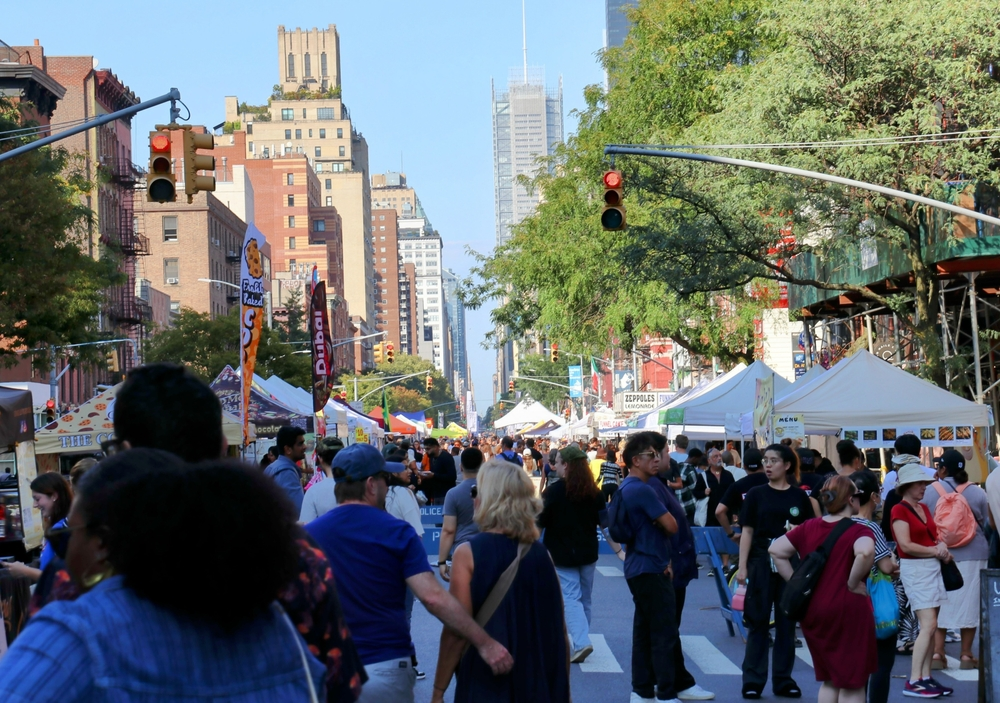
Large festivals and public gatherings can involve substantial attendance, multiple vendors, entertainment, food service, and other activities. A venue or property owner may therefore require broader or higher coverage than it would for a smaller event.
Entertainment or Higher-Risk Activities
Activities such as live performances, sporting activities, amusement equipment, pyrotechnics, or other higher-risk entertainment may result in additional insurance requirements.
Alcohol Service
Serving alcohol can create additional liability considerations. Some venues require liquor liability coverage when alcohol is served, even when general event liability insurance is already in place.
Venue Requirements
The venue itself may have established insurance standards that apply to all renters or specific types of events. These requirements can also depend on the venue’s ownership, property arrangements, or contractual obligations.
Local or Municipal Requirements
Certain events may also be subject to requirements imposed by a municipality or other authority. These requirements can vary by location and event type, so organizers should determine whether additional documentation or coverage is required.
What Insurance Requirements Should You Look for in the Venue Contract?
Before arranging special event liability insurance, go through the venue contract and identify every insurance-related requirement.
You can refer this checklist:
- Required liability limits: Check the exact dollar amount the venue requires.
- Per-occurrence and aggregate limits: Confirm whether the venue specifies both.
- Certificate of Insurance (COI): Determine whether proof of coverage must be submitted.
- Additional Insured requirement: Check whether the venue, property owner, or another party must be included as an Additional Insured.
- Venue’s legal name: Use the exact name requested by the venue.
- Event dates: Make sure the policy and COI cover the required dates.
- Required endorsements: Check whether the venue requires specific endorsements in addition to the policy itself.
- Liquor liability: Determine whether separate liquor liability coverage is required when alcohol is served.
- COI submission deadline: Note when the venue needs the documentation.
Do not focus only on the coverage amount. An organizer could have the required $1 million limit and still have a problem if the COI, Additional Insured wording, dates, or endorsements do not meet the contract requirements.
What Is a Certificate of Insurance and Why Does the Venue Need One?
A Certificate of Insurance (COI) is a document that summarizes an event insurance policy, including its coverage, limits, and policy dates.
Venues use the COI to confirm that the organizer meets the insurance requirements in the rental agreement. The details should match the venue’s requirements, including any Additional Insured provisions.
A COI is proof of insurance, not the policy itself. It does not change the coverage provided by the underlying policy or its endorsements.
Does the Venue Need to Be Listed as an Additional Insured?
A venue may require the event organizer to add the venue or property owner as an Additional Insured under the applicable liability policy.
Additional Insured status can provide the designated party with certain rights under the policy for covered claims, subject to the policy’s terms, conditions, exclusions, and applicable endorsement.
This is different from being a Certificate Holder.
A Certificate Holder is generally the party receiving the certificate. Being named as a Certificate Holder does not, by itself, provide Additional Insured status.
If the venue contract requires Additional Insured event insurance, simply listing the venue on the COI may not satisfy the requirement.
Event organizers should give their insurance broker the exact Additional Insured wording and instructions provided by the venue. The broker can then determine what endorsement or policy provision is needed and make sure the documentation corresponds with the contractual requirement.
When Does an Event Need Liquor Liability Coverage?
Alcohol service can introduce liability exposures that may not be addressed in the same way as standard general event liability coverage.
Liquor liability insurance is designed for certain claims arising from the serving, selling, or furnishing of alcoholic beverages, depending on the policy and applicable law. It is different from general event liability insurance.
A venue may require liquor liability coverage when:
- Alcohol will be sold at the event.
- Alcohol will be served by the organizer or an outside vendor.
- The event includes a bar or bartender.
- The venue’s contract specifically requires liquor liability coverage.
- A third-party alcohol provider does not provide the coverage required by the venue.
The requirements can vary significantly. For example, a venue may require proof of liquor liability coverage even if the organizer is not directly selling alcohol.
Do not assume that your general event liability policy automatically satisfies a venue’s liquor liability requirement. Review the contract and confirm the applicable coverage with an insurance professional.
When Should You Purchase Event Liability Insurance?
The best time to address special event liability insurance requirements is when you first book the venue, rather than immediately before the event.
Start by reviewing the venue agreement and identifying every insurance requirement. Confirm the required limits, policy dates, Additional Insured wording, endorsements, liquor liability requirements, and COI deadline.
Then discuss those requirements with an insurance broker. The broker can help determine what coverage is appropriate for the event and what documentation is needed to meet the venue’s requirements.
Once the coverage is arranged, request the COI and any required endorsements. Review the documents before sending them to the venue to catch errors in names, dates, limits, or other information.
Finally, submit the documentation by the deadline specified in the contract. Giving yourself enough time is particularly important if the venue requires changes to the policy or additional endorsements.
Common Event Insurance Mistakes
Arranging event insurance without checking the venue’s requirements can lead to delays or missing coverage. Common mistakes include:
- Assuming the same insurance limits apply to every venue.
- Waiting until shortly before the event to arrange coverage.
- Buying a policy without reviewing the venue contract first.
- Submitting a COI with incorrect venue details, dates, or coverage limits.
- Listing the venue as a Certificate Holder when Additional Insured status is required.
- Overlooking separate liquor liability requirements when alcohol is served.
- Focusing on the coverage amount while missing other contract requirements, such as endorsements or submission deadlines.
Conclusion
There is no single special event liability insurance requirement that applies to every venue. $1 million per occurrence and $2 million aggregate is a commonly requested benchmark, but individual venues and events may require different limits or additional coverage.
The safest approach is to start with the venue contract. Check the required liability limits, per-occurrence and aggregate amounts, Certificate of Insurance requirements, Additional Insured provisions, endorsements, liquor liability requirements, and documentation deadlines.
If you are unsure how the requirements apply to your event, discuss the venue’s contract with an insurance professional before purchasing coverage. This can help ensure that the policy and supporting documentation address the requirements the venue has actually set.
Key Takeaways
- $1M/$2M is common: Many venues request $1 million per occurrence and $2 million aggregate.
- Requirements vary: The venue, event type, attendance, activities, and alcohol service can affect coverage requirements.
- Check the contract: Look for limits, COI requirements, Additional Insured status, endorsements, and deadlines.
- Don’t overlook liquor liability: Alcohol service may require separate coverage.
- Arrange coverage early: Give your broker enough time to provide the correct policy documents and endorsements.
Talk to an Insurance Pro