
 |
| By | May 1, 2025 |
Dump trucks are important assets that drive business in construction, hauling, and waste management. Whether you own one truck or a small fleet, these trucks represent a significant investment that needs protection. The right dump truck insurance policy isn’t just about covering damage or loss, it’s designed to help support compliance and business continuity. Let’s look at the basics of dump truck investments and help you understand what to look for when you choose one for your business. What is Dump Truck Insurance? Dump truck insurance is a specialized form of commercial auto insurance designed to address the unique risks associated with operating dump trucks. Unlike personal auto insurance, it considers commercial vehicle use, heavy transportation loads, work environments, and the potential for significant liability. A comprehensive policy can help reduce exposure to financial losses across various potential risks. Reasons to Invest Dump trucks require careful management and ongoing maintenance. Insurance can play a major role in helping protect your long-term investment. Here’s why it matters: Coverage Needed for Dump Trucks The specific insurance coverage required for your dump truck operation will depend on various factors, including the size and weight of your truck. Here are some core coverages that…
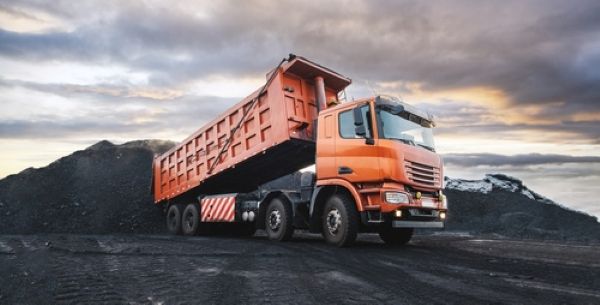
- Dump truck insurance is a specialized form of commercial auto insurance that covers the unique risks associated with operating dump trucks.
- Several types of coverage are needed for dump trucks, including liability, physical damage, cargo, non-trucking liability, workers’ compensation, general liability, and motor truck cargo insurance.
- Choosing the right policy requires understanding your vehicle use case, state and federal requirements, deductibles and limits, and available discounts.
Dump trucks are important assets that drive business in construction, hauling, and waste management. Whether you own one truck or a small fleet, these trucks represent a significant investment that needs protection. The right dump truck insurance policy isn’t just about covering damage or loss, it’s designed to help support compliance and business continuity.
Let’s look at the basics of dump truck investments and help you understand what to look for when you choose one for your business.
What is Dump Truck Insurance?
Dump truck insurance is a specialized form of commercial auto insurance designed to address the unique risks associated with operating dump trucks. Unlike personal auto insurance, it considers commercial vehicle use, heavy transportation loads, work environments, and the potential for significant liability. A comprehensive policy can help reduce exposure to financial losses across various potential risks.
Reasons to Invest
Dump trucks require careful management and ongoing maintenance. Insurance can play a major role in helping protect your long-term investment. Here’s why it matters:
- Accidents Happen Fast: Even experienced drivers aren’t immune to road hazards. A blowout, sudden stop, or rollover can lead to major property damage or injury.
- High Cost of Repairs: Dump trucks are specialized vehicles. Repairs aren’t cheap, and without insurance, they can eat into your profit margins.
- Cargo Liability: If your load shifts or spills during transport, it can create environmental hazards or damage roadways. You may be held responsible for cleanup or repairs.
- Jobsite Requirements: Many construction contracts require proof of insurance before work begins. Without proper coverage, you could lose out on opportunities.
- Legal Compliance: Operating without the right insurance can lead to fines, lawsuits, or revoked licenses. In some states, dump truck operators must carry specific coverage to stay legal.
Coverage Needed for Dump Trucks
The specific insurance coverage required for your dump truck operation will depend on various factors, including the size and weight of your truck. Here are some core coverages that are typically necessary:
Liability Insurance
This is the foundation of any commercial truck policy covering damage that your drivers may cause to others while operating your dump truck. This coverage is typically split into two parts: bodily injury liability and property damage liability. It can help cover legal fees, medical expenses, and repair costs in the event of an accident.
In many states, there are minimum liability limits that must be met to operate legally. Failing to carry required liability insurance may result in fines, license suspensions, or other penalties depending on your jurisdiction.
Physical Damage Coverage
Damage cover includes both collision and comprehensive insurance. Collision covers damage from crashes, while comprehensive covers non-collision incidents like theft, vandalism, or fire. This coverage is designed to help cover the actual cash value or replacement cost of your dump truck. It also helps make sure that your business doesn’t stall due to repair or replacement delays.
Comprehensive coverage is particularly useful for weather-related events or break-ins. Lenders often require physical damage coverage if you’re financing or leasing your dump truck.
Cargo Insurance
Cargo insurance helps cover damage to the materials you’re transporting. While it may not be required in all cases, it’s strongly recommended—especially if you’re hauling expensive or regulated materials. It can provide financial protection in cases where the load is lost, stolen, or damaged in transit.
Your coverage limits should reflect the average value of the loads you typically haul. Certain materials—like hazardous waste or recyclable metals—may need specialized policies. Without cargo insurance, you’re responsible for reimbursing clients for damaged goods.
Non-Trucking Liability (Bobtail Insurance)
If you use your dump truck for personal use or when it’s not under dispatch, this coverage fills in the gap. Many motor carriers require owner-operators to carry this coverage when leasing on. It does not cover any activities related to hauling—even when empty—since it applies when the truck is operated without an active job or load assignment. This policy can offer important protection during periods of downtime or personal travel.
Workers’ Compensation
If you have employees, this coverage protects them in case of job-related injuries. It’s also a layer of protection for you as the employer. It may cover medical bills, rehabilitation costs, and a portion of lost wages depending on the policy and jurisdiction. Workers’ comp can also shield your business from lawsuits related to workplace injuries.
Most states legally require this coverage if you employ even one person. It helps improve employee morale and shows your commitment to workplace safety.
General Liability
Separate from auto liability, general liability covers business-related risks that occur off the road. This includes things like customer injuries at your office or damage caused during loading/unloading. It protects against claims of bodily injury or property damage not related to driving.
This coverage is important for businesses that operate in warehouses, yards, or public spaces.
It can help with legal defense costs, settlements, and third-party claims. Even if you don’t own a physical office, it’s useful for mobile operations and jobsite interactions.
Motor Truck Cargo Insurance
If you are hauling materials for others, this coverage is intended to help protect the cargo you are transporting and your dump truck from loss or damage due to events like accidents, theft, or loading/unloading incidents. The specific type and amount of cargo insurance needed will depend on the materials you haul and contractual obligations.
How to Choose the Right Policy?
Selecting the right dump truck insurance isn’t just about finding the cheapest option. It’s about identifying coverage that matches your business needs and risk exposure. Here are a few things to think about:
- Know Your Vehicle Use Case: Are your trucks used for short hauls or long hauls? The way your trucks are used affects the type of insurance you need and the premium you’ll pay.
- Understand State and Federal Requirements: Each state has its own regulations for commercial vehicles. If you operate across state lines, you’ll also need to comply with federal rules, such as those from the Federal Motor Carrier Safety Administration (FMCSA).
- Look for Industry-Specific Experience: Not all insurance providers understand the complexities of dump truck operations. It helps to work with agencies that have experience with commercial fleets and heavy-duty vehicles. They can help you spot gaps that other providers might miss.
- Check Deductibles and Limits: A lower premium might sound appealing, but high deductibles can become a problem during a claim. Make sure the coverage limits actually reflect the value of your truck, your cargo, and your potential liabilities.
- Ask About Discounts: Some insurers offer discounts for bundling multiple policies, installing GPS or dash cams, or maintaining a clean driving record. Don’t be shy—ask what’s available.
- Review Annually: Your insurance needs may change as your business grows. New trucks, different routes, or expanded services can impact your risk profile. Set a calendar reminder to review your policy every year.
Common Pitfalls to Avoid
Choosing the wrong insurance can be just as risky as having none. Here are some common mistakes dump truck operators make:
- Underinsuring Assets: Don’t guess at your truck’s value. If your truck is totaled and your policy doesn’t reflect its true worth, you’re stuck covering the rest.
- Skipping Workers’ Compensation: Even small teams need protection. Even one incident can result in significant medical costs and potential legal issues.
- CIgnoring Cargo Insurance: If your business depends on reliable delivery, cargo protection is key. Some policies limit what’s covered, so read the fine print.
- Letting Coverage Lapse: Missing a payment might cancel your policy. That gap in coverage could mean fines—or worse—if something happens during that time.
At Cell Brokerage, we are committed to providing tailored commercial vehicle insurance solutions. Explore our comprehensive insurance options to build a custom policy that works for your budget and business goals. Contact us today to learn how we can help you!
Talk to an Insurance Pro