 |
| By | April 1, 2026 |
Operating a restaurant involves consistent exposure to operational risk. Kitchens combine heat, sharp equipment, and time pressure, while dining areas introduce public access and continuous foot traffic. Alcohol service, where applicable, adds further liability considerations. These conditions make insurance claims a foreseeable aspect of restaurant operations. Loss events can affect premiums, underwriting evaluation, and business continuity. Repeated claims may also influence long-term insurability and operating margins. For operators in Arizona, maintaining appropriately structured restaurant insurance Arizona policies is necessary. However, restaurant insurance coverage alone does not reduce claim frequency. Loss control practices and a structured risk management strategy must function alongside insurance to support financial stability and regulatory compliance. Why Restaurant Insurance Requires Structured Evaluation Restaurants combine workforce risk, public liability exposure, property vulnerability, and, in some cases, alcohol service. These overlapping risk categories contribute to consistent claim activity across the industry. Common claims involve employee injuries, customer incidents, fire losses, equipment failure, contamination events, and liquor-related liability. In addition to frequency concerns, claim severity has increased due to rising medical expenses and property repair costs, resulting in closer underwriting review. A properly structured restaurant business insurance program coordinates general liability, workers’ compensation, property insurance, business interruption, and liquor liability…
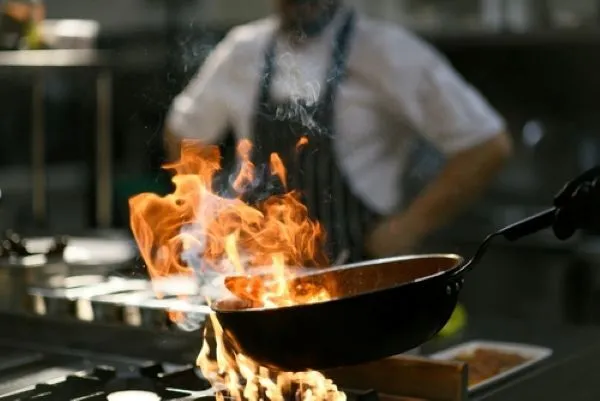
Operating a restaurant involves consistent exposure to operational risk. Kitchens combine heat, sharp equipment, and time pressure, while dining areas introduce public access and continuous foot traffic. Alcohol service, where applicable, adds further liability considerations.
These conditions make insurance claims a foreseeable aspect of restaurant operations. Loss events can affect premiums, underwriting evaluation, and business continuity. Repeated claims may also influence long-term insurability and operating margins.
For operators in Arizona, maintaining appropriately structured restaurant insurance Arizona policies is necessary. However, restaurant insurance coverage alone does not reduce claim frequency. Loss control practices and a structured risk management strategy must function alongside insurance to support financial stability and regulatory compliance.
Why Restaurant Insurance Requires Structured Evaluation
Restaurants combine workforce risk, public liability exposure, property vulnerability, and, in some cases, alcohol service. These overlapping risk categories contribute to consistent claim activity across the industry.
Common claims involve employee injuries, customer incidents, fire losses, equipment failure, contamination events, and liquor-related liability. In addition to frequency concerns, claim severity has increased due to rising medical expenses and property repair costs, resulting in closer underwriting review.
A properly structured restaurant business insurance program coordinates general liability, workers’ compensation, property insurance, business interruption, and liquor liability insurance where applicable.
A qualified restaurant insurance broker evaluates these exposures and aligns coverage with operational scale, service model, and revenue profile. Insurance structure should reflect actual risk characteristics rather than generic industry classifications.
The Most Common Insurance Claims Restaurants Face
Employee Injury and Workers’ Compensation
Restaurant environments involve repetitive motion, hot surfaces, sharp tools, and manual lifting. These conditions contribute to consistent workplace injury claims across the industry. According to the U.S. Bureau of Labor Statistics, full-service restaurants report significant annual nonfatal injury totals, frequently involving cuts, burns, and slips.
Workers’ compensation claims may include medical costs and wage replacement. Repeated losses can affect experience modification factors and long-term premium calculations.
Primary controls: formal safety training, slip-resistant footwear standards, defined lifting procedures, and documented spill response protocols.
Customer Slip-and-Fall Liability
Public access areas create ongoing premises liability exposure. Wet floors, uneven walkways, and poorly lit entry points are common sources of injury claims.
These incidents typically fall under general liability components of restaurant insurance coverage. Even minor injuries may result in medical expense claims or litigation.
Primary controls: scheduled premises inspections, prompt spill remediation, visible hazard signage, and documented corrective action.
Kitchen Fires and Property Loss
Commercial kitchens carry elevated fire risk due to grease accumulation, open flames, and electrical equipment. Fire losses may involve structural damage, equipment replacement, inventory loss, and operational interruption.
Property insurance and business interruption provisions within a restaurant business insurance program address financial loss, but underwriting increasingly evaluates preventive maintenance practices.
Primary controls: regular hood and duct cleaning, fire suppression inspections, electrical system maintenance, and staff emergency training.
Equipment Breakdown and Spoilage
Mechanical and refrigeration systems are essential to continuity of operations. Failure can generate repair costs, spoiled inventory, and temporary closure.
Equipment breakdown coverage, when included within restaurant insurance coverage, may respond to mechanical failure depending on policy structure.
Primary controls: scheduled inspections, temperature monitoring systems, backup power planning, and service contracts for critical equipment.
Foodborne Illness and Contamination
Improper food handling or storage may lead to bodily injury allegations and regulatory scrutiny. General liability provisions within restaurant business insurance may respond to covered claims, but regulatory penalties and reputational damage are typically outside policy scope.
Primary controls: documented food safety procedures, temperature verification logs, certified staff training, and compliance recordkeeping.
Alcohol-Related Liability
Restaurants that serve alcohol assume additional third-party injury exposure. In Arizona, dram shop statutes allow certain claims when alcohol service contributes to injury.
Liquor liability insurance addresses alcohol-related claims commonly excluded under general liability policies.
Primary controls: responsible beverage service training, intoxication assessment procedures, supervisory oversight, and incident documentation.
How Restaurant Owners Can Reduce Claim Frequency
Insurance functions as a financial backstop after a loss. Claim frequency, however, is primarily influenced by operational discipline and implementation of a structured risk management strategy.
Effective controls typically include formal employee training, written operating procedures, scheduled inspections, preventive equipment maintenance, and structured incident reporting. These measures reduce the likelihood of injury, property damage, and liability events when applied consistently.
Documented prevention efforts also support underwriting evaluation. Insurers assess loss history alongside demonstrated safety practices when determining pricing and renewal terms.
Operational consistency remains one of the most direct influences on long-term loss experience and rate stability.
The Role of a Restaurant Insurance Broker in Claim Prevention
A restaurant insurance broker provides exposure analysis in addition to policy placement.
Responsibilities commonly include reviewing liability limits, evaluating property valuations, assessing business interruption calculations, confirming liquor liability insurance limits, and identifying potential coverage gaps within existing restaurant insurance coverage.
Annual policy reviews are particularly important as restaurants expand, renovate, introduce alcohol service, or add catering operations. Insurance programs should evolve alongside operational changes.
Structured review helps maintain alignment between exposure profile and insurance design.
Choosing the Right Restaurant Business Insurance
Restaurant business insurance should be organized to reflect operational exposure rather than relying on standardized policy templates. Coverage components are coordinated to address distinct risk categories within the business.
General liability applies to third-party bodily injury and property damage claims arising from premises or operations.
Workers’ compensation responds to employee injury in accordance with statutory requirements.
Property insurance protects buildings, equipment, furnishings, and inventory from covered physical loss.
Liquor liability insurance addresses alcohol-related exposures commonly excluded under general liability policies.
Business interruption coverage provides income replacement following a covered property event that disrupts operations.
Policy structure should align with the restaurant’s size, service format, revenue composition, and risk concentration. Coverage design that reflects operational realities is more effective than reliance on broad industry classifications.
Conclusion
Restaurants face recurring exposure across workplace injury, premises liability, fire risk, equipment failure, food contamination, and alcohol service.
Comprehensive restaurant insurance coverage provides financial protection, but sustained cost control depends on disciplined operational controls and an effective risk management strategy.
For operators in Arizona, structured alignment between exposure and restaurant insurance Arizona policy design supports long-term stability. Regular review with an experienced restaurant insurance broker helps ensure continued consistency between evolving operations and coverage requirements.
Talk to an Insurance Pro