 |
| By | March 1, 2026 |
Many homeowners believe their property insurance protects them against flood damage. In most cases, it does not. Standard homeowners flood insurance policies typically exclude rising water, surface flooding, and storm surge. Without a separate flood insurance policy, flood losses are often uninsured. In 2026, heavier rainfall, updated flood maps, and rising rebuilding costs are expanding exposure. Flood risk is no longer limited to traditionally high-risk zones. Reviewing flood insurance coverage has become an essential step in protecting property value. Why Flood Risk Is Increasing for Homeowners in 2026 The Most Common Flood Insurance Gaps Homeowners Overlook Assuming Homeowners Insurance Covers Flood Damage One of the most persistent misconceptions is that standard property insurance includes flood damage coverage. In most cases, it does not. Losses caused by rising water, storm surge, and surface water intrusion are typically excluded under homeowners flood insurance policies unless a separate flood policy is in place. When homeowners rely on incorrect assumptions about coverage, they may discover after a loss that structural damage and personal property losses are not insured. Coverage Limits That Don’t Match Rebuilding Costs Even when flood insurance is in place, coverage limits may not reflect current rebuilding costs. Construction materials, labor rates,…
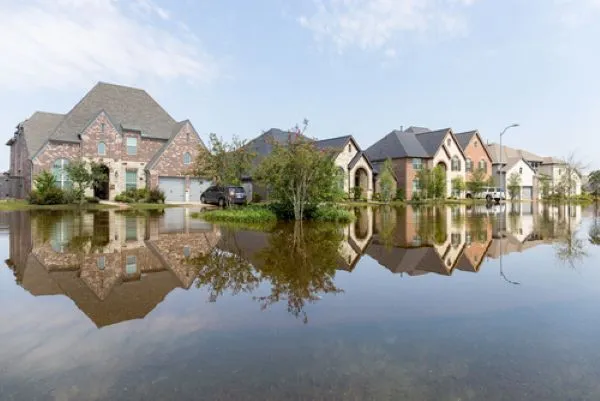
Many homeowners believe their property insurance protects them against flood damage. In most cases, it does not.
Standard homeowners flood insurance policies typically exclude rising water, surface flooding, and storm surge. Without a separate flood insurance policy, flood losses are often uninsured.
In 2026, heavier rainfall, updated flood maps, and rising rebuilding costs are expanding exposure. Flood risk is no longer limited to traditionally high-risk zones. Reviewing flood insurance coverage has become an essential step in protecting property value.
Why Flood Risk Is Increasing for Homeowners in 2026
- Heavier rainfall and urban expansion are increasing runoff and overwhelming drainage systems. Roads, parking lots, and dense development reduce natural water absorption, making localized flooding more frequent and less predictable.
- Flood map classifications continue to change. The Federal Emergency Management Agency (FEMA) periodically updates flood maps using revised data and modeling. Properties previously categorized as moderate- or low-risk may be reassigned to higher-risk designations.
- Flooding is not limited to high-risk zones. FEMA reports that more than 20% of flood insurance claims originate outside designated high-risk flood areas. Moderate- and low-risk properties continue to experience loss events.
- Historical loss experience is no longer a reliable indicator of future risk. Homeowners who have never experienced flooding may now face measurable exposure due to environmental and development changes.
- Older policies may not reflect current conditions. Coverage purchased years ago may not align with updated flood insurance risk assessment standards or present-day rebuilding costs.
The Most Common Flood Insurance Gaps Homeowners Overlook
Assuming Homeowners Insurance Covers Flood Damage
One of the most persistent misconceptions is that standard property insurance includes flood damage coverage. In most cases, it does not. Losses caused by rising water, storm surge, and surface water intrusion are typically excluded under homeowners flood insurance policies unless a separate flood policy is in place.
When homeowners rely on incorrect assumptions about coverage, they may discover after a loss that structural damage and personal property losses are not insured.
Coverage Limits That Don’t Match Rebuilding Costs
Even when flood insurance is in place, coverage limits may not reflect current rebuilding costs. Construction materials, labor rates, and permitting expenses have increased in recent years. A policy purchased several years ago may not align with present-day replacement values.
Some policies apply actual cash value calculations to certain property categories rather than full replacement cost. Depreciation can significantly reduce claim payouts, widening the financial gap after a loss.
In 2026, inflation and supply chain volatility continue to influence rebuilding expenses, making regular limit reviews essential.
Gaps in Contents and Personal Property Coverage
Flood insurance coverage often includes separate limits for building structure and personal property. Homeowners frequently underestimate the value of furniture, appliances, electronics, and flooring.
Policy caps may restrict the amount recoverable for contents, and certain categories of property may have sublimits. Without a comprehensive inventory and valuation review, homeowners may face substantial out-of-pocket costs following a flood event.
Basement and Below-Ground Coverage Limitations
Basements and crawlspaces are subject to specific coverage restrictions under many flood policies. Finished walls, flooring, and certain personal belongings located below ground level may be excluded or subject to limited reimbursement.
For homeowners with finished basements, this represents a significant flood insurance gap. Mechanical systems may be covered under defined conditions, but cosmetic finishes and stored property are often not fully protected.
Understanding how below-ground areas are treated under flood insurance coverage is critical before a loss occurs.
Waiting Periods That Leave Homes Unprotected
Most flood insurance policies include a mandatory waiting period before coverage becomes effective. Purchasing coverage in response to an approaching storm typically does not provide immediate protection.
Homeowners who delay securing flood insurance until a forecasted weather event may find that their policy is not yet active when flooding occurs. Advance planning remains essential to avoid uninsured exposure.
Outdated Flood Zone Classifications
Flood zone classifications are not static. As FEMA mapping evolves, risk designations can change. Homeowners sometimes rely on outdated information or prior lender determinations when evaluating their flood exposure.
Properties located in moderate- or low-risk zones continue to experience flooding events. Relying solely on historical classification without conducting a current flood insurance risk assessment can leave homeowners exposed.
How These Gaps Create Financial Risk for Homeowners
When flood insurance gaps exist, homeowners may face substantial out-of-pocket repair costs. Structural repairs, debris removal, mold remediation, and replacement of damaged contents can quickly exceed available savings.
Mortgage lenders may require repairs before releasing additional funds or approving refinancing. Delays in claim resolution or insufficient coverage limits can extend displacement periods and complicate rebuilding timelines.
Beyond financial impact, uncovered flood losses create emotional strain and operational disruption for households attempting to restore normal living conditions.
How Homeowners Can Close Flood Insurance Gaps Before 2026
Closing coverage gaps begins with a structured policy review. Homeowners should:
- Review flood insurance policies annually.
- Reevaluate building and contents limits to reflect current replacement costs.
- Confirm how exclusions, sublimits, and depreciation provisions apply.
- Explore private flood insurance options when broader coverage or higher limits are needed.
A comprehensive review helps ensure that flood damage coverage aligns with actual exposure and current market conditions.
The Role of an Insurance Professional in Identifying Flood Risk
An experienced insurance professional evaluates flood exposure beyond basic flood map designations. This process may include reviewing elevation data, drainage patterns, property improvements, and historical loss data.
A detailed flood insurance risk assessment allows for policy customization based on property characteristics rather than generalized zone classifications. This approach helps identify hidden flood insurance gaps before a loss occurs.
Proactive planning is more effective than reactive purchasing after weather forecasts indicate elevated risk.
Flood Insurance Planning Tips for 2026 and Beyond
Early policy review is a foundational step in long-term flood risk management. As climate patterns and urban development continue to evolve, periodic reassessment of coverage remains necessary.
Homeowners should maintain updated property valuations, preserve documentation of renovations, and monitor changes to local flood mapping.
For many properties, flood insurance is no longer an optional consideration but a component of responsible asset protection planning.
Conclusion
Flood insurance gaps often remain hidden until a loss reveals them. Misunderstood exclusions, outdated coverage limits, and reliance on old flood zone classifications can leave homeowners financially exposed.
Reviewing flood insurance coverage before flood season allows time to adjust limits, address exclusions, and evaluate alternative policy options. Proactive planning reduces uncertainty and supports financial stability.
Homeowners who are uncertain about their exposure should consider speaking with a qualified flood insurance professional to assess risk and confirm that coverage aligns with current conditions and rebuilding costs.
Talk to an Insurance Pro