 |
| By | October 1, 2026 |
Floor plan financing helps a powersports dealer purchase inventory before it is sold. Because that inventory also serves as collateral for the lender, the financing agreement may include specific insurance requirements. Dealers should understand their required coverage limits, lender or loss payee provisions, inventory locations, seasonal values, and policy exclusions before financing inventory. The core solution is match your powersports inventory insurance to both your actual inventory exposure and the lender's requirements. Review coverage limits and financing terms regularly as inventory levels, locations, and financing arrangements change.
What Is Floor Plan Financing for Powersports Dealers?
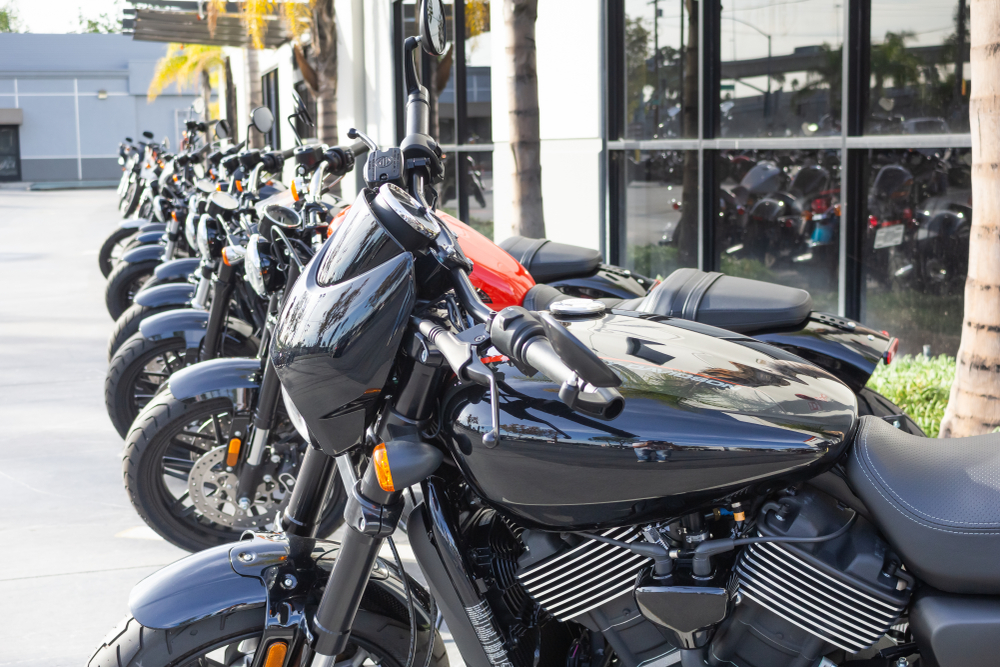
Floor plan financing allows a powersports dealer to borrow money to purchase inventory that will later be sold to customers. Instead of paying the full inventory cost upfront, the dealer uses financing to maintain stock while sales are pending.
The financed inventory can include motorcycles, ATVs, UTVs, boats, personal watercraft, and other recreational vehicles.
The arrangement generally involves three parties: the dealer, the lender, and the inventory being financed. The lender provides financing against eligible inventory, while the dealer remains responsible for managing and protecting that inventory until it is sold.
Because the financed units represent collateral for the lender, the financing agreement may require the dealer to maintain specific insurance coverage. This makes inventory financing insurance an important consideration when arranging or renewing dealership coverage.
Why Do Lenders Require Insurance on Financed Inventory?
Financed inventory serves as collateral for the lender, so damage or loss can affect its value. Theft, fire, storms, vandalism, collisions, and other covered events can put that collateral at risk.
For this reason, lenders typically require dealers to maintain insurance on financed inventory. The required coverage, limits, deductibles, and exclusions depend on the policy and financing agreemen
What Insurance Coverage Does a Powersports Dealer Typically Need?
A powersports dealership insurance program may include several types of coverage, depending on the dealership’s operations and financing requirements.
Property Coverage
Property coverage can protect dealership property against covered causes of loss. For a powersports dealer, this may include eligible inventory stored at the dealership or other covered locations.
Comprehensive Physical Damage Coverage
Powersports inventory can consist of many types of vehicles, each with a significant replacement value. Coverage for physical damage should be reviewed carefully to determine whether motorcycles, ATVs, UTVs, boats, and other financed units are properly addressed.
Business Personal Property
The dealership also has property beyond its vehicle inventory. Equipment, tools, furniture, computers, and other business property may require coverage under the appropriate policy provisions.
Business Income Coverage
A covered loss could temporarily prevent a dealership from operating normally. Business income coverage may help address certain lost income and continuing expenses following a covered event, subject to the policy terms.
These coverages serve different purposes, so dealers should not assume that protecting the building or general business property automatically addresses every inventory-related exposure.
What Is a Lender’s Loss Payee or Lienholder Requirement?
When a lender finances dealership inventory, it may require its financial interest to be reflected in the insurance policy.
A Loss Payee or Lender’s Loss Payable provision can establish how the lender’s interest is recognized in relation to covered property losses. This can be particularly important when the financed inventory serves as collateral for the loan.
The lender may provide specific wording or documentation requirements. The dealer should give this information to the insurance broker rather than relying on a standard designation.
Accurate lender information also matters. The lender’s legal name, address, and required wording should be checked carefully so the policy documentation reflects the financing arrangement.
How Much Insurance Coverage Does a Powersports Dealer Need?
There is no single insurance limit that applies to every powersports dealer. The appropriate limit depends on the amount and value of inventory the dealer carries and the requirements of the financing agreement.
One important consideration is maximum inventory value. A dealer should not base its coverage only on its typical inventory level if inventory regularly increases during certain periods.
For example, a dealership might normally carry a moderate amount of inventory but significantly increase its stock before a busy selling season. If the insurance limit does not reflect that higher exposure, the dealer may have less coverage than needed.
Dealers should also consider what happens when inventory grows beyond the amount originally reported to the insurer. Changes in inventory values should prompt a review of the policy limits and financing requirements.
What Happens If Financed Inventory Is Damaged or Stolen?
If financed inventory is damaged or stolen, the dealer should report the loss to the insurer and, when appropriate, the authorities. The insurer will then review the claim under the policy terms.
If the loss is covered, the claim is handled according to the policy, while the lender’s financial interest may also need to be addressed. The outcome depends on the coverage, deductible, circumstances of the loss, and financing agreement.
Common Insurance Gaps Powersports Dealers Should Watch For
Several issues can create gaps between a dealer’s actual exposure and its insurance arrangements.
Common areas to review include:
- Inventory limits that are too low for peak values.
- Seasonal increases that are not reflected in coverage.
- Inventory stored at locations not included in the policy.
- Newly acquired inventory that is not properly addressed.
- Incorrect lender or lienholder information.
- Differences between floor plan requirements and insurance limits.
- Financing arrangements that change without a corresponding insurance review.
These issues can be easier to address during a routine policy review than after an inventory loss.
How Seasonal Inventory Can Affect Insurance Requirements
Inventory levels can change significantly throughout the year. A powersports dealer may increase stock before periods when customer demand is expected to rise.
This creates an important difference between average inventory and peak inventory.
Using an average inventory value when the dealership regularly carries substantially more inventory during certain periods could leave the policy limit out of step with the dealer’s actual exposure.
Dealers should review expected inventory increases with their insurance broker before significant changes occur. Communication with the lender may also be necessary when financing levels change.
Regular reviews help keep the insurance program aligned with the dealership’s inventory and financing arrangements.
What Should Powersports Dealers Ask Their Insurance Broker?
Before renewing coverage or entering a new floor plan financing arrangement, dealers should ask:
- Is my current inventory limit high enough?
- Does my policy meet my floor plan financing requirements?
- Are all financed units properly covered?
- Is my lender correctly listed?
- Are seasonal inventory increases accounted for?
- Are additional storage locations covered?
- What deductibles apply to inventory losses?
- Are there exclusions that could affect financed inventory?
- When should I review my coverage limits?
These questions can help identify areas that need attention before inventory levels or financing requirements change.
Conclusion
Floor plan financing gives powersports dealers a way to maintain inventory while sales are pending, but financed inventory also creates insurance responsibilities.
Dealers should make sure their powersports dealer insurance requirements are understood and that coverage reflects their actual inventory exposure. Limits, lender requirements, seasonal inventory changes, storage locations, deductibles, and policy terms all deserve regular review.
Working with an insurance broker can help a dealer identify potential gaps and keep its insurance arrangements aligned with both its operations and financing requirements.
Talk to an Insurance Pro