 |
| By | September 15, 2023 |
Driving through a rainstorm can be equally dangerous as navigating icy roadways. Once it starts to rain, roads become slippery, and visibility diminishes. In these circumstances, drivers may have delayed reactions when dealing with unexpected road-related emergencies, increasing the risk of car accidents. While you can’t always be in control of all the factors and avoid a car accident, you can significantly minimize the risk with some safety and prevention strategies. These strategies can help you learn how to be better equipped to take the wheel in rainy conditions and minimize the likelihood of being involved in a car accident and filing a personal auto insurance claim. Challenges of Driving in the Rain Precipitation introduces a range of challenges that demand heightened attention and caution when driving on a wet surface. Here are some key challenges that a driver will likely face when driving in the rain: Reduced Visibility Rainfall significantly impairs visibility, especially during heavy downpours or when driving at night. The combination of rainwater on windshields and road spray from other vehicles can create a blurry, unfocused view of the road ahead. This limited visibility can make it difficult to anticipate hazards, changes in traffic, or sudden stops. Slick Roads…
Driving through a rainstorm can be equally dangerous as navigating icy roadways. Once it starts to rain, roads become slippery, and visibility diminishes. In these circumstances, drivers may have delayed reactions when dealing with unexpected road-related emergencies, increasing the risk of car accidents.
While you can’t always be in control of all the factors and avoid a car accident, you can significantly minimize the risk with some safety and prevention strategies. These strategies can help you learn how to be better equipped to take the wheel in rainy conditions and minimize the likelihood of being involved in a car accident and filing a personal auto insurance claim.
Challenges of Driving in the Rain
Precipitation introduces a range of challenges that demand heightened attention and caution when driving on a wet surface. Here are some key challenges that a driver will likely face when driving in the rain:
Reduced Visibility
Rainfall significantly impairs visibility, especially during heavy downpours or when driving at night. The combination of rainwater on windshields and road spray from other vehicles can create a blurry, unfocused view of the road ahead. This limited visibility can make it difficult to anticipate hazards, changes in traffic, or sudden stops.
Slick Roads and Hydroplaning
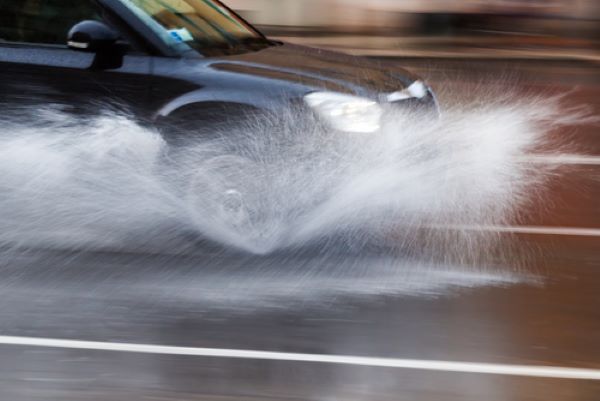
Water creates a thin film on the road surface, making it slippery and reducing the traction between tires and the road. This raises the possibility of hydroplaning, which occurs when your tires lose contact with the ground and slide across a body of water. Hydroplaning reduces your ability to steer, brake, or accelerate effectively.
Unpredictable Weather and Sudden Downpours
A sudden downpour can catch drivers off guard. These unexpected shifts in weather can make drivers panic or make rushed decisions, increasing the likelihood of accidents.
7 Tips to Stay Safe While Driving in the Rain
Consider these seven tips to help keep yourself safe when driving in the rain:
Utilize Low-Beam Headlights
When driving in adverse weather conditions, the first thing you should do is turn on the low-beam headlights. This not only improves your visibility but also ensures that other drivers on the road can clearly see your vehicle. What’s more, driving with your headlights on in the rain could even be a requirement in your state.
An extra piece of advice is to avoid using high-beam headlights, as they can actually reduce visibility.
Apply Hydrophobic Windshield Coating
These coatings, readily available in auto supply stores or from your mechanic, minimize the buildup of raindrops on your windshield or side mirrors. This helps you, the driver, gain better visibility during heavy rainstorms or when your windshield wipers struggle to keep up.
Reduce Speed and Maintain a Safe Distance
When driving on rain-slicked roads, it’s nearly impossible to swiftly react and come to a halt just in time. To decrease the risk of skidding or colliding with another vehicle, reduce your speed and leave more distance than usual between your car and the vehicle in front of you. Using a marker such as a streetlight as a reference, count up to three when the other vehicle passes the checkpoint. If it takes you less than three seconds to reach the same point, you’re following too closely. This extra space gives you vital seconds to brake gently and come to a complete stop without the risk of sliding.
These strategies can pile up with other safety practices you put in place to create a safety margin and reduce your chances of winding up in a car accident.
Adapt to Changing Environmental and Vehicle Behavior
Understanding how your vehicle’s behavior changes during harsh weather conditions is key to staying safe on the road. If your car starts skidding, don’t panic and keep your hands on the wheel. Some people panic, and their first reaction is to let go of the wheel.
If you don’t like to drive while it’s raining, try to avoid the first 10–20 minutes, as oil-soaked roads can get treacherous even with light rain.
Check Tire and Brake Condition
Having prevention techniques in place can help you drive safer on slippery roads. If you notice worn-down tire treads, it’s strongly recommended that you visit a mechanic to have your tires replaced. You can start with prevention techniques, such as:
- Trying out your brakes
- Checking the brake fluid
- Getting regular tire maintenance, including proper inflation and tread inspection
- Ensuring headlights, brake lights, and windshield wipers work properly
Avoid Standing Water
Driving through standing water during heavy rain has its own set of hazards. Drains can overflow and gush water onto the streets during an intense downpour. Driving through flooded roads or pockets of water not only increases the risk of skidding but can also damage your undercarriage.
Forget About Cruise Control
Cruise control is a feature designed to maintain a set speed while driving and is not ideal to activate in rainy conditions. You need to have complete control over your vehicle, including the ability to quickly let off the accelerator if necessary.
Why Safe Driving in Wet Weather Is a Must
Practicing safe driving habits in wet weather also has an impact on your insurance. Here’s why:
Reduced Accidents and Claims
You can minimize the chances of accidents and subsequent insurance claims if you adopt safe driving practices, not only in bad weather conditions. This helps maintain a clean driving record and enables you to retain lower insurance premiums.
Insurance companies may use the information provided by the Motor Vehicle Record (MVR) report, along with other factors, to determine your eligibility and insurance premium.
Proactive Risk Management
Insurance companies carefully assess risk factors when calculating premiums. That’s why demonstrating responsible driving behavior can help you lower your risk level. This proactive risk management approach can potentially lead to lower insurance rates.
Maintaining Coverage Eligibility
Consistently practicing safe driving habits can contribute to maintaining eligibility for certain types of coverage. If you are classified as a high-risk driver, it could bar you from certain coverages, increase your insurance rates, or even result in a policy cancellation.
Be Better Prepared with the Pros
The insurance pros at Cell Brokerage can help you determine the type of coverage and insurance options you need when driving. We collaborate with a range of insurance providers, which enables us to offer customized options that match your specific requirements and financial constraints.
Cell Brokerage is here to help you navigate your insurance challenges. We are committed to being your trusted advisor and finding the right insurance solution for you. Contact us and get your quote today.
Talk to an Insurance Pro