 |
| By | June 16, 2025 |
Powersports dealerships are hubs of commerce, where potential buyers interact with inventory, test-ride vehicles, and engage with sales staff. The dynamic environment in the showroom presents a unique set of risks. One unexpected accident, a slip on the showroom floor, or a damaged customer vehicle can lead to significant financial losses or legal trouble. That’s where the right kind of insurance can make a meaningful difference. Specifically, garage liability and garage keepers’ liability play key roles in shielding these businesses from operational risks. Let’s break down how these insurance options can benefit your powersports dealerships. Garage Liability Insurance Garage liability insurance is a specialized form of commercial general liability insurance tailored to businesses involved in the auto service, repair, parking, or vehicle sales industries. For a powersports dealership, this coverage is designed to help protect against injury or damage to third parties that arises from your business operations. Some of the key aspects of the insurance coverage include: General Liability vs. Garage Liability While garage liability shares similarities with a standard commercial general liability (CGL) policy, it contains specific provisions and exclusions that cater to the unique risks of the auto industry. A standard CGL policy may not fully address…
- Garage liability insurance protects powersports dealerships from third-party claims of bodily injury or property damage arising from their operations.
- Garage keepers’ liability insurance covers damage to customers’ vehicles while in the dealership’s care, custody, or control for services like maintenance or storage.
- Bundling both garage liability and garage keepers’ liability provides comprehensive insurance protection for powersports dealerships, covering both operational risks and damage to customer vehicles.
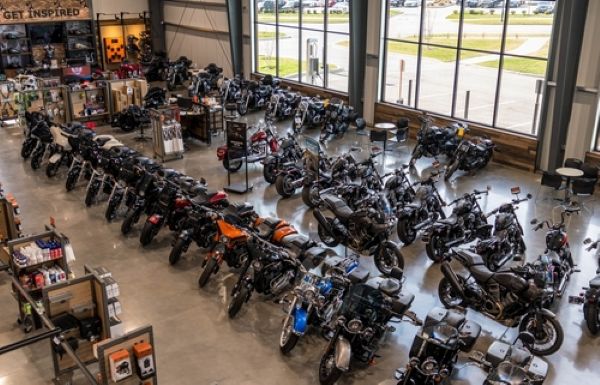
Powersports dealerships are hubs of commerce, where potential buyers interact with inventory, test-ride vehicles, and engage with sales staff. The dynamic environment in the showroom presents a unique set of risks. One unexpected accident, a slip on the showroom floor, or a damaged customer vehicle can lead to significant financial losses or legal trouble. That’s where the right kind of insurance can make a meaningful difference. Specifically, garage liability and garage keepers’ liability play key roles in shielding these businesses from operational risks.
Let’s break down how these insurance options can benefit your powersports dealerships.
Garage Liability Insurance
Garage liability insurance is a specialized form of commercial general liability insurance tailored to businesses involved in the auto service, repair, parking, or vehicle sales industries. For a powersports dealership, this coverage is designed to help protect against injury or damage to third parties that arises from your business operations.
Some of the key aspects of the insurance coverage include:
- Bodily Injury: Claims arising from injuries sustained by individuals (other than your employees) on your premises or due to your business operations. This could include incidents in the showroom, service bays (if applicable), or even the parking lot.
- Property Damage: Claims resulting from damage you or your employees cause to someone else’s property. This might involve accidental damage to a customer’s personal belongings while they are in your showroom.
- Products-Completed Operations: This provides coverage for bodily injury or property damage that occurs away from your premises and is caused by your products (e.g., a faulty part installed by your service department, if you offer servicing) or your completed work.
- Personal and Advertising Injury: This covers claims arising from offenses like libel, slander, false advertising, or infringement of copyright in your advertisements.
General Liability vs. Garage Liability
While garage liability shares similarities with a standard commercial general liability (CGL) policy, it contains specific provisions and exclusions that cater to the unique risks of the auto industry. A standard CGL policy may not fully address exposures unique to a powersports dealership, such as liability arising from test drives or the movement of customer-owned vehicles within your premises.
Dealership liability policies often include coverages tailored to the industry, such as blanket dealers’ physical damage coverage and specific language addressing the handling of vehicles.
Garage Keepers’ Liability
Garage keepers’ liability insurance provides coverage for damage to customers’ vehicles while they are in your care, custody, or control for covered services. While garage liability focuses on third-party damage, this directly involves damage to a customer’s vehicle under your care. This policy is important for powersports dealerships that:
- Offer service and maintenance.
- Store customer vehicles temporarily.
- Accept trade-ins or repairs.
- Test-ride or inspect vehicles on behalf of clients.
Without garage keepers’ insurance, your business may be held financially responsible if a customer’s bike or off-road vehicle is damaged while in your possession.
Coverage Options
Garage keepers’ liability policies typically offer different coverage options, allowing you to tailor the protection to your specific needs and the value of the vehicles you handle:
- Legal Liability: This option covers damage to a customer’s vehicle only if you are legally liable for the loss. This means the damage must be a result of your negligence or the negligence of your employees.
- Direct Primary: This broader option may cover damage to a customer’s vehicle regardless of legal liability, depending on policy terms. This can provide more comprehensive protection and streamline the claims process.
Garage keepers’ liability typically includes damage resulting from events that can cause significant loss to vehicles on your premises, like theft, vandalism, or fire. The insurance can also extend to damage caused by collisions that occur while vehicles are being moved within your premises, such as in the service bay or during relocation on the lot.
Exclusions
Damage that arises from defective parts or faulty workmanship performed by your service department is typically not covered under this policy and may require separate errors and omissions insurance. In the event of theft, coverage might be limited to the loss of the entire vehicle, and the disappearance of individual parts may not be included. Liabilities that your business assumes under a specific contract are also generally excluded from coverage.
Why Bundling Both Policies Makes Sense
Garage liability protects you from lawsuits related to your operations. Garage keepers’ liability protects the physical vehicles entrusted to you. Relying on one without the other leaves significant gaps in your insurance protection. For example, a liability policy may protect against bodily injuries in your showroom but not cover a scratch on a customer’s bike. Together, the two policies can offer broader coverage for both people and property.
Many insurers offer package deals or tailored plans for dealerships and showrooms that combine both garage and garage keepers’ liability under one umbrella, often at a more favorable rate. When both policies are managed under one insurer, the claims process may be more streamlined when handled through one provider.
Tips for Powersports Dealerships
As a powersports dealership, you should take a proactive approach to extract the most value from these crucial insurance protections:
- Understand Your Policy: Take the time to thoroughly read and understand the specifics of both policies. Pay close attention to the coverage limits, deductibles, exclusions, and any specific conditions. Knowing what is and isn’t covered will help you manage risks effectively and avoid surprises during a claim.
- Maintain Accurate Inventory: For garage keepers’ liability, the value of the customer vehicles in your care is a factor in determining adequate coverage limits. Keep detailed and up-to-date records of all vehicles on your premises, including their make, model, VIN, and estimated value.
- Implement Risk Management Practices: Conduct routine inspections of your premises to identify and address potential hazards that could lead to slips, trips, or falls. Establish clear protocols for moving customer vehicles within your premises, during test rides, and in the service bay. There should also be clear procedures for vehicle drop-off and pick-up to help prevent disputes regarding pre-existing damage.
- Train Your Staff: Your employees play a major role in preventing incidents that could lead to insurance claims. Provide comprehensive training on safety procedures, vehicle handling protocols, and best practices for customer interactions.
At Cell Brokerage, we understand the unique insurance needs of the power vehicle industry. Our experienced team can help you explore garage liability and garage keepers’ liability insurance options that fit your business needs based on your specific risks. Contact us today to help safeguard your showroom from the unexpected.
Talk to an Insurance Pro