 |
| By | November 15, 2026 |
Serving alcohol can create additional liability concerns for an event. Liquor Liability Insurance may help cover certain alcohol-related claims, but coverage varies by policy. Before the event, confirm how alcohol will be provided, what the venue requires, and whether the existing Event Insurance includes the right protection.
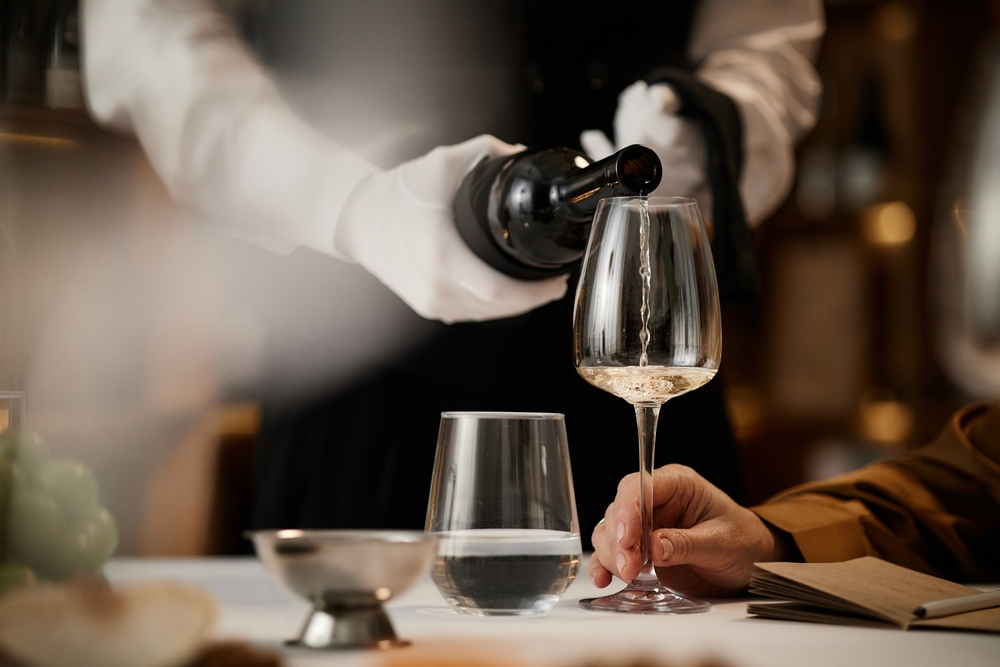
Serving food and drinks comes with several risks for a restaurant. Restaurant insurance can provide protection for different types of business-related claims, while liquor liability coverage addresses certain risks associated with serving or selling alcohol.
For restaurants that serve alcoholic beverages, understanding how these coverages work together is important. The right protection depends on the restaurant’s operations, how alcohol is handled, policy terms, coverage limits, exclusions, and applicable requirements.
What Does Restaurant Insurance Cover?
Restaurant insurance can bring together several types of coverage designed around the risks involved in operating a food service business. General liability coverage, for example, can address certain third-party bodily injury and property damage claims.
The specific protection available depends on the policy. Restaurants should review their coverage limits, exclusions, conditions, and other provisions rather than assuming that every business-related claim is covered.
Alcohol service adds another consideration. When a restaurant serves or sells alcoholic beverages, alcohol-related liability may be excluded, limited, or handled differently under a general liability policy. This is why liquor liability should be reviewed as part of the restaurant’s overall insurance planning.
How Does Liquor Liability Work With Restaurant Insurance?
Liquor liability insurance is designed to address certain liability risks connected with serving, selling, or providing alcohol. It is different from general liability insurance, even though both can form part of a restaurant’s broader insurance program.
General liability coverage can provide broader protection for certain third-party claims. Liquor liability focuses specifically on risks associated with alcohol. The two coverages should therefore be reviewed together to understand where each policy applies.
The exact treatment of alcohol-related claims depends on the policy language and the restaurant’s operations. A restaurant should not assume that its general liability coverage automatically provides the protection it needs for every alcohol-related claim.
When Does Alcohol Coverage Matter for Restaurants and Events?
A restaurant insurance policy may include general liability protection, but businesses should review whether alcohol-related claims are covered and whether restaurant liquor liability insurance is available.
For example, a private celebration where the host provides drinks for guests is different from an event where alcohol is sold. A fundraiser that charges for alcoholic drinks may create different insurance considerations from a wedding where drinks are included as part of the reception.
The same applies when a caterer, venue, bartender, or other vendor is responsible for serving alcohol. The organizer should understand who is responsible for the alcohol service and what insurance each party carries.
This does not mean every event requires the same type or amount of Alcohol Liability Insurance. Instead, it means alcohol should be considered when reviewing the event’s liability risks and insurance requirements.
State laws can also vary, so insurance coverage should not be treated as a substitute for understanding applicable legal requirements.
When Do Events Create Additional Liquor Risks?
The right restaurant insurance coverage can depend on the business operations, how alcohol is provided, and the specific terms of the policy.
Weddings and Receptions
Weddings often involve alcohol service at the reception, rehearsal dinner, or other related gatherings. Some venues may require proof of liability insurance and may have specific requirements for alcohol coverage.
Private Celebrations
Birthday parties, anniversaries, retirement celebrations, and similar private events may involve alcohol provided to guests. Host liquor liability may be relevant depending on the circumstances and policy.
Fundraisers and Nonprofit Events
Fundraising events may involve ticket sales, alcohol sales, or drinks included with admission. The way alcohol is provided can affect the type of coverage that should be considered.
Conferences and Corporate Events
Business events may include receptions, dinners, or networking functions where alcohol is served. Organizers should review the event contract and insurance requirements before the event.
Festivals and Other Eligible Events
Some festivals and special events include alcohol service as part of the overall experience. These events can involve more complex arrangements, making it particularly important to understand who is serving the alcohol and what coverage applies.
The event type alone does not determine whether liquor liability insurance is needed. The way alcohol is provided and the terms of the policy also matter.
Does Your Restaurant Insurance Need Separate Liquor Liability Coverage?
There is no single answer that applies to every event.
A private event where alcohol is provided to guests may be treated differently from an event where alcoholic beverages are sold. The venue may also have its own requirements for liability coverage, policy limits, or additional insured status.
The existing Event Insurance policy is another important factor. It may already provide some form of host liquor liability, or it may offer liquor liability as an additional option.
The best approach is to review these details before the event is finalized. An insurance professional can help determine whether the existing coverage addresses the event or whether additional Liquor Liability Insurance should be considered.
What Factors Affect Restaurant Insurance Coverage?
The right restaurant insurance coverage depends on the business and the risks involved. Several factors should be considered when reviewing coverage.
Type of Restaurant Operations
A full-service restaurant, bar, brewery, catering business, and other food service operations can have different insurance needs. The services provided and the way the business operates should be reflected in the policy.
Alcohol Service
The type and extent of alcohol service are important when evaluating liquor liability coverage. A restaurant that regularly sells alcoholic beverages should understand how those activities are treated under its insurance policy.
Employees and Alcohol Service
Restaurants should consider who is responsible for serving alcohol and how those duties are handled. Employee responsibilities and the restaurant’s operating procedures can affect its overall risk profile.
Policy Limits and Exclusions
Coverage limits determine how much protection the policy provides for covered claims, while exclusions identify situations the policy does not cover. Both should be reviewed when assessing restaurant insurance.
State and Local Requirements
Alcohol laws and insurance requirements can vary by location. Restaurants should understand the requirements that apply to their operations rather than relying solely on general insurance guidance.
Events Hosted by the Restaurant
Some restaurants host weddings, private parties, corporate gatherings, or other events where alcohol is served. These activities should be reviewed against the existing policy because event arrangements may create different insurance considerations.
What Should Restaurants Check Before Serving Alcohol?
Before the event, review how alcohol will be handled and compare those arrangements with the insurance policy.
Restaurants should also review their restaurant liability insurance to understand how alcohol-related risks are treated under the policy.
Start by confirming whether Host Liquor Liability is included. If alcohol will be sold or the event involves more extensive alcohol service, ask whether additional liquor liability coverage is available.
It is also important to check the venue’s insurance requirements. Some venues may request proof of liability insurance or require the venue to be listed as an additional insured.
Finally, confirm that the event itself qualifies for the selected coverage. Not every insurer covers every type of event, and policy conditions can vary.
Taking these steps before the event can help prevent an important coverage question from appearing after a claim occurs.
Conclusion
Alcohol can be an important part of many celebrations and special events, but it also introduces liability considerations that should not be overlooked.
Liquor Liability Insurance may help address certain alcohol-related claims, while host liquor liability can be relevant for some private events. The right approach depends on how alcohol will be provided, what the venue requires, and what the event’s existing insurance policy covers.
Reviewing these details before the event gives organizers an opportunity to address coverage gaps before they become a problem. Speaking with an insurance professional can also help clarify whether the selected Special Event Insurance provides the protection needed for the specific event.
Frequently Asked Questions
Is Liquor Liability Insurance Required for Every Event?
There is no universal requirement that applies to every event. Whether liquor liability insurance is needed can depend on the event, how alcohol is provided, venue requirements, applicable laws, and the insurance policy. Some venues may require specific liability coverage before allowing an event to take place.
Does General Liability Insurance Cover Alcohol-Related Incidents?
General liability coverage and liquor liability coverage address different risks, and alcohol-related claims may be excluded or limited under some general liability policies. The specific policy language should be reviewed rather than assuming that general liability automatically covers alcohol-related incidents.
Do I Need Liquor Liability Insurance If Alcohol Is Free?
Not necessarily, but providing alcohol for free does not automatically remove the insurance consideration. A private host may have host liquor liability protection under certain policies, while other circumstances may require different coverage. The way alcohol is provided and the policy terms both matter.
Does a Wedding Venue Require Liquor Liability Insurance?
Some wedding venues may require liability insurance and may have specific requirements relating to alcohol. Requirements can vary by venue. Some event insurance policies allow the venue to be added as an additional insured, subject to the policy terms.
How Much Does Liquor Liability Insurance Cost?
There is no standard price for every event. The cost can depend on factors such as the type, size, and circumstances of the event, the coverage selected, and the insurer. An insurance professional can provide pricing based on the specific event and coverage requirements.
Talk to an Insurance Pro