


CELL BROKERAGE
CENTER FOR LEARNING


Does Restaurant Insurance Cover Food Spoilage and Contamination?
Food safety is a daily priority for restaurants. But even careful kitchens can face unexpected problems. A power outage, broken refrigerator, delayed delivery, or contamination issue can ruin large amounts of food within hours. In serious cases, if a customer becomes sick, the business may also face legal claims, fines, and damage to its reputation.…
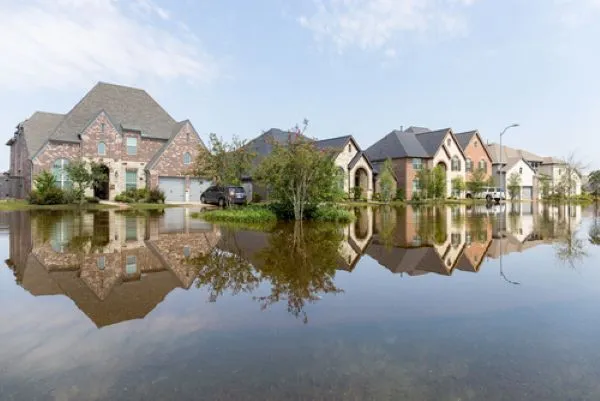
Hidden Flood Insurance Gaps That Leave Homeowners Exposed in 2026
Many homeowners believe their property insurance protects them against flood damage. In most cases, it does not. Standard homeowners flood insurance policies typically exclude rising water, surface flooding, and storm surge. Without a separate flood insurance policy, flood losses are often uninsured. In 2026, heavier rainfall, updated flood maps, and rising rebuilding costs are expanding…

Dealer Inventory Coverage Explained: Protecting Your Powersports Inventory Investment
For a powersports dealership, floored and non-floored inventory, along with company-owned vehicles, represent far more than what sits on the showroom floor. These assets are both financed and owned, and they drive cash flow, lender relationships, and day-to-day operations. Dealer Inventory Coverage is designed to protect total inventory exposure, not just satisfy a floor plan…

Restaurant Liquor Liability Insurance: Nevada Dram Shop Laws Explained
For restaurants serving alcohol in Nevada, liquor service is both a revenue driver and a regulated operational responsibility. Beer, wine, and spirits increase average ticket size and customer dwell time, but they also introduce legal exposure that can extend beyond the restaurant’s walls. When alcohol is involved in an injury, accident, or property damage, liability…

Cultivating Confidence: The Essential Benefits of Landscapers Insurance
Running a landscaping, lawn care, or gardening business is a rewarding but inherently risky venture. The daily work involves utilizing heavy, specialized equipment, often performing work around valuable client property, and engaging in demanding physical labor. This operational reality means that a variety of costly incidents, such as a misplaced rock damaging a window, an…
The Long Game: Benefits of Long-Term Commercial Insurance Policies
While traditional business insurance policies are renewed annually, many companies are finding significant advantages in securing multi-year commercial insurance contracts. Opting for a long-term policy is not just a tactical purchase; it is a strategic investment that offers greater stability, efficiency, and financial certainty for your business’s future. By locking in terms and pricing over…

How to Evaluate Your Insurance Needs as Your Business Grows
A growing business gains new opportunities, but it also develops new risks. As operations expand, equipment increases, and more people depend on the business, the insurance needs shift as well. Many owners start with a basic policy, but over time, that same policy may no longer match the scale of the operation. Taking the time…
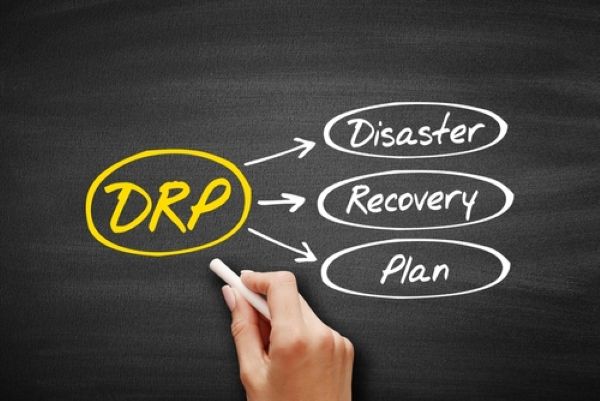
Why Every Business Needs a Disaster Recovery Plan
Unexpected events can interrupt business operations without warning. A power outage, system failure, cyberattack, or physical disaster can stop work, damage property, and disrupt communication. When a business has no strategy in place to recover from these events, the impact can grow quickly. A disaster recovery plan gives businesses a structured way to respond, restore…

Controlling Commercial Insurance Costs: Expert Strategies for Lowering Your Business Premiums
Why Commercial Insurance Premiums Fluctuate Commercial Insurance for Small Business is a significant, essential, operating expense. In a dynamic economic environment, business owners are always looking for ways to reduce overhead without sacrificing protection. However, controlling commercial insurance costs requires a proactive, strategic partnership with your broker—not just shopping for the cheapest price. Premiums are…
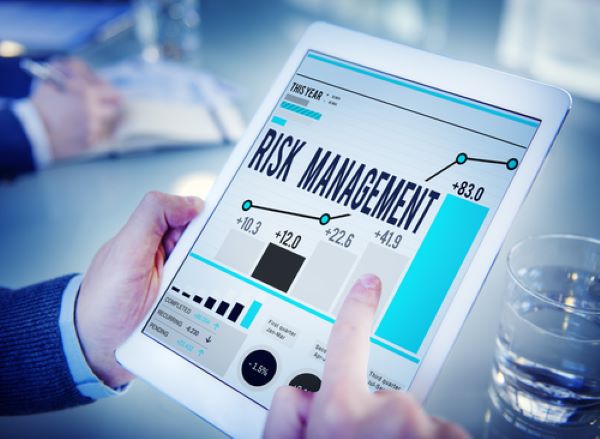
What Should Not Be a Part of a Risk Management Plan?
Effective risk management is crucial for businesses and corporations to safeguard their operations against potential threats. A comprehensive risk management plan can help companies prevent or minimize financial losses, reputational damage, and legal issues. However, there are certain elements that should not be included in a risk management plan.
When Should You Use Personal Insurance vs. Commercial Insurance
If you’re an entrepreneur or a freelancer, then you know that managing risk is an important aspect of running a business, and one component of risk management is insurance. However, determining the appropriate type of insurance coverage can be quite an undertaking if you’re new to managing risk. This is especially true for entrepreneurs and freelancers who work from home and often use personal items for work-related tasks. It can be challenging to discern if additional commercial insurance coverage is necessary beyond personal insurance policies.

Why Risk Management Is Important
Like everything else in life, running a business comes with risks. Risk management is a crucial aspect of any successful organization, yet many make the mistake of not taking it seriously. Businesses that take a passive approach to risk management, whereby potential risks are ignored or deemed insignificant, are at great risk in the event of an actual disaster.

When Is Commercial Auto Insurance Required?
Operating a business can be stressful—as a business owner, you have a lot to be responsible for, whether it be the daily business operations or protecting your business from financial loss. One way you can safeguard your business is by purchasing commercial auto insurance, which is a crucial form of insurance for business owners who use vehicles as part of their daily operations

What Flood Insurance Does Not Cover
Did you know that damage caused by floods is typically not covered under most standard homeowners insurance policies? In fact, if you reside in an area with a high risk of flooding, your mortgage lender will likely require you to purchase flood insurance through FEMA’s National Flood Insurance Program (NFIP) and associated programs provided by your insurance professional. However, it’s worth noting that over 20% of flood insurance claims come from areas that are not considered high-risk for flooding, which is why it’s recommended that homeowners consider obtaining coverage regardless of their location.

Car Insurance 101: Terms You Need to Know
In 2019, over half of the 12.15 million vehicles involved in collisions in the U.S. were passenger cars. When it comes to car insurance, it can be overwhelming to find the right policy to suit your needs, as there are many different terms to get familiar with. In this article, we’ll review 10 important terms you should know before signing up for a car insurance policy.

Mastering the Fundamentals: Understanding the Four Concepts of Effective Risk Management
Understanding the four core concepts is crucial for effective risk management, which is a critical component of any organization’s success. These include identifying, evaluating, prioritizing, and controlling risks. These steps support businesses in locating potential risks, evaluating their effects, prioritizing their efforts, and taking the necessary measures to mitigate them. Understanding these ideas can help safeguard an organization’s assets.

Why Is Life Insurance Important for the Self-Employed?
You may not realize it, but life insurance is an important part of being self-employed. Without it, your death could result in more than just the emotional toll it will take on those left behind. Here are a few reasons you should consider buying a policy.

Top Tips to Protect Your Business from Common Liability Risks
Running a business comes with its own risks. Read on to learn how you can protect your business from the liabilities that may arise from such risks.