
 |
| By | February 15, 2024 |
The world is taking a greener turn, and consumers are looking for sustainable options. At the forefront of this revolution are electric vehicles (EVs). With EV market sales having a 30% year-on-year increase, it’s vital to understand how it impacts auto insurance. Read on to learn how electric vehicles are reshaping the insurance landscape. Electric vs. Gas-Powered Vehicle Insurance The basic insurance principles apply to both EVs and gas-powered cars. However, some key differences can affect the plan: The claims process for EVs can also differ from that for gas-powered vehicles. Due to the specialized nature of repairs and potential battery concerns, insurers might require additional documentation or assessments before approving claims. This could involve detailed diagnostic reports from mechanics and battery health assessments. While this scrutiny may seem extensive, it helps insurers accurately address the unique components of electric vehicles. It can also contribute to a fair and comprehensive claims process. Insurance Options Electric vehicles have different needs than gas-powered vehicles. This has made insurance carriers innovate their offerings to meet these demands. Here are some plans that can help: 1. Usage-Based Insurance (UBI) The UBI approach tailors insurance premiums to real-time data from the vehicle. This is popular among electric vehicle owners because…
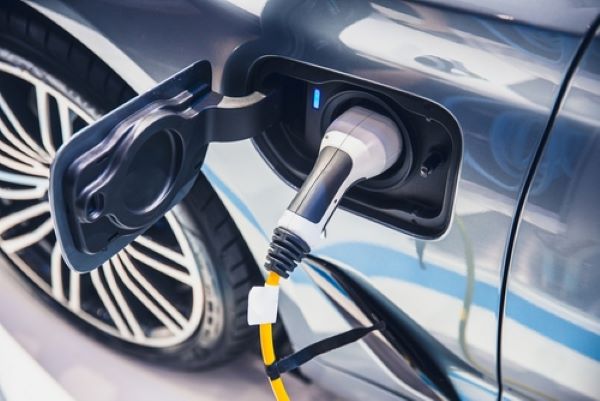
The world is taking a greener turn, and consumers are looking for sustainable options. At the forefront of this revolution are electric vehicles (EVs). With EV market sales having a 30% year-on-year increase, it’s vital to understand how it impacts auto insurance.
Read on to learn how electric vehicles are reshaping the insurance landscape.
Electric vs. Gas-Powered Vehicle Insurance
The basic insurance principles apply to both EVs and gas-powered cars. However, some key differences can affect the plan:
- Repair Costs: Electric vehicles have advanced technology and complex components. EV repairs could involve specialized equipment and staff with specific skills. Some manufacturers also recommend that only certified mechanics carry out repair and maintenance. This increases repair costs and insurance premiums.
- Battery Coverage: The battery is a defining feature of an electric vehicle. These batteries can deplete over time. Their replacement can also be expensive. Since traditional policies might not cover this cost, EV owners need battery protection. This can account for the cost of damage or degradation to the vehicle’s battery.
- Resale Value: Since EVs depreciate faster, insurers could charge higher premiums. This helps them offset the risk of a resale value decrease. It could also affect the payout during a total loss claim.
- Rebates and Discounts: Government rebates can provide savings opportunities for owners. In some cases, brands and insurers can offer discounts. These often depend on the car’s safety features, mileage, and battery life. Rebates and discounts could vary across states, so it’s vital to consult an expert.
- Evolving Risks: The innovative nature of EVs means their technology is constantly changing. This can present new challenges for insurers. For example, a unique battery chemistry might require new types of insurance coverage. It’s vital to know the latest developments to choose the best option.
The claims process for EVs can also differ from that for gas-powered vehicles. Due to the specialized nature of repairs and potential battery concerns, insurers might require additional documentation or assessments before approving claims. This could involve detailed diagnostic reports from mechanics and battery health assessments. While this scrutiny may seem extensive, it helps insurers accurately address the unique components of electric vehicles. It can also contribute to a fair and comprehensive claims process.
Insurance Options
Electric vehicles have different needs than gas-powered vehicles. This has made insurance carriers innovate their offerings to meet these demands. Here are some plans that can help:
1. Usage-Based Insurance (UBI)
The UBI approach tailors insurance premiums to real-time data from the vehicle. This is popular among electric vehicle owners because it focuses on driving habits, travel distance, and battery usage. This means that insurance costs are directly influenced by how people use their electric vehicles. UBI particularly benefits owners who drive shorter distances and practice smooth acceleration.
2. Pay-Per-Mile Programs
Electric vehicles often have lower mileage than traditional cars. This makes pay-per-mile programs a good choice for owners. In this plan, the costs will depend on the vehicle’s actual mileage. This can provide a more flexible and budget-friendly option for electric vehicle owners. The programs typically involve GPS tracking of the car to record and report accurate mileage data.
3. Ride-Share Insurance
Owners who rent out their EVs through ride-sharing platforms must ensure their policy includes additional coverage for commercial use. Ride-share plans help cover potential liabilities that happen while transporting passengers. These plans typically have higher coverage limits. It may consist of other features like excess medical expense coverage for passengers.
Factors to Consider
Choosing an auto insurance plan for electric vehicles could be a critical decision. It’s important to review various points to identify the best option:
- Range Anxiety: EV owners fear running out of battery power. That’s why brands are making efforts to solve this problem. Since vehicles can run out of charge, looking for policies that cover roadside assistance can ensure peace of mind. In addition to roadside assistance coverage, some insurance providers offer specific coverage for towing services. This can help EV owners have roadside assistance if their car faces unexpected issues.
- Liability in Accidents: In many aspects, the insurance process for EVs is similar to that for traditional cars. However, electric vehicle accidents may raise questions about liability. Reviewing the policy and understanding specific coverage during an accident is necessary. This can help ensure a smooth claims process.
- Fire Risks: While battery fires are rare due to technological advancements, it’s essential to address potential risks. Insurers can offer specialized coverage for battery damage caused by fire or short circuits. This can ensure peace of mind and financial security in the event of unlikely emergencies.
- Warranty Coverage: Some EV brands can offer extended warranties and replacement warranties. Understanding the manufacturer’s warranty coverage can help decide the best option. It can also help understand if additional battery protection through insurance is necessary.
- Charging Infrastructure: Charging station availability can significantly impact an EV’s travel convenience. This can influence insurance needs. Policies considering this factor may offer coverage for situations where an EV becomes stranded due to a lack of charging options, thus providing peace of mind and practical assistance.
- Autonomous Capabilities: Technology is advancing rapidly, and some electric vehicles have autonomous driving capabilities. While these features may enhance safety, they also introduce new considerations for insurance. It’s essential to understand how insurers handle claims related to independent features. Additional coverage may be necessary to protect against potential technology-related incidents.
With the help of these factors, you can make informed insurance decisions. This allows you to create a comprehensive plan that offers excellent coverage. You can also partner with a leading insurance service provider, Cell Brokerage, to streamline this process. Our team can help you choose the best auto insurance plans. Contact us today to protect your EV!
Talk to an Insurance Pro